Research and development form the foundation of our technological approach. Our R&D activities focus on the continuous improving of optical measurement techniques for the characterization of particles and droplets in complex flows and sprays, with a strong emphasis on physical modeling, experimental validation, and practical applicability.
We are researchers ourselves and therefore understand the requirements of scientific work, from experimental design and data quality to reproducibility and transparent data analysis. At the same time, our long-standing experience in industrial environments provides a comprehensive understanding of real-world constraints, application-driven challenges, and robust solution strategies.
A central aspect of our research is the development of new measurement concepts based on light scattering and time-resolved signal analysis. Building on established methods such as TSTOF, LDT or PDA, we investigate novel data representations and signal processing strategies that increase information density and measurement robustness, particularly under challenging conditions such as dense sprays, multiphase flows, or high solid particle loads.
Machine learning and artificial intelligence play a key role in our R&D work. We develop and validate AI-assisted analysis methods, including convolutional neural networks, to extract physical quantities from optical signals with high accuracy and reliability. These approaches form the scientific basis for technologies such as ParticleTensorAI® and SprayQuantAI®, enabling compact measurement systems and real-time diagnostics beyond the capabilities of classical instruments.
Our scientific activities are validated through peer-reviewed publications and long-term collaborations with universities, research institutes, and other scientific organizations. These collaborations ensure continuous exchange of knowledge and independent verification of our methods and results.
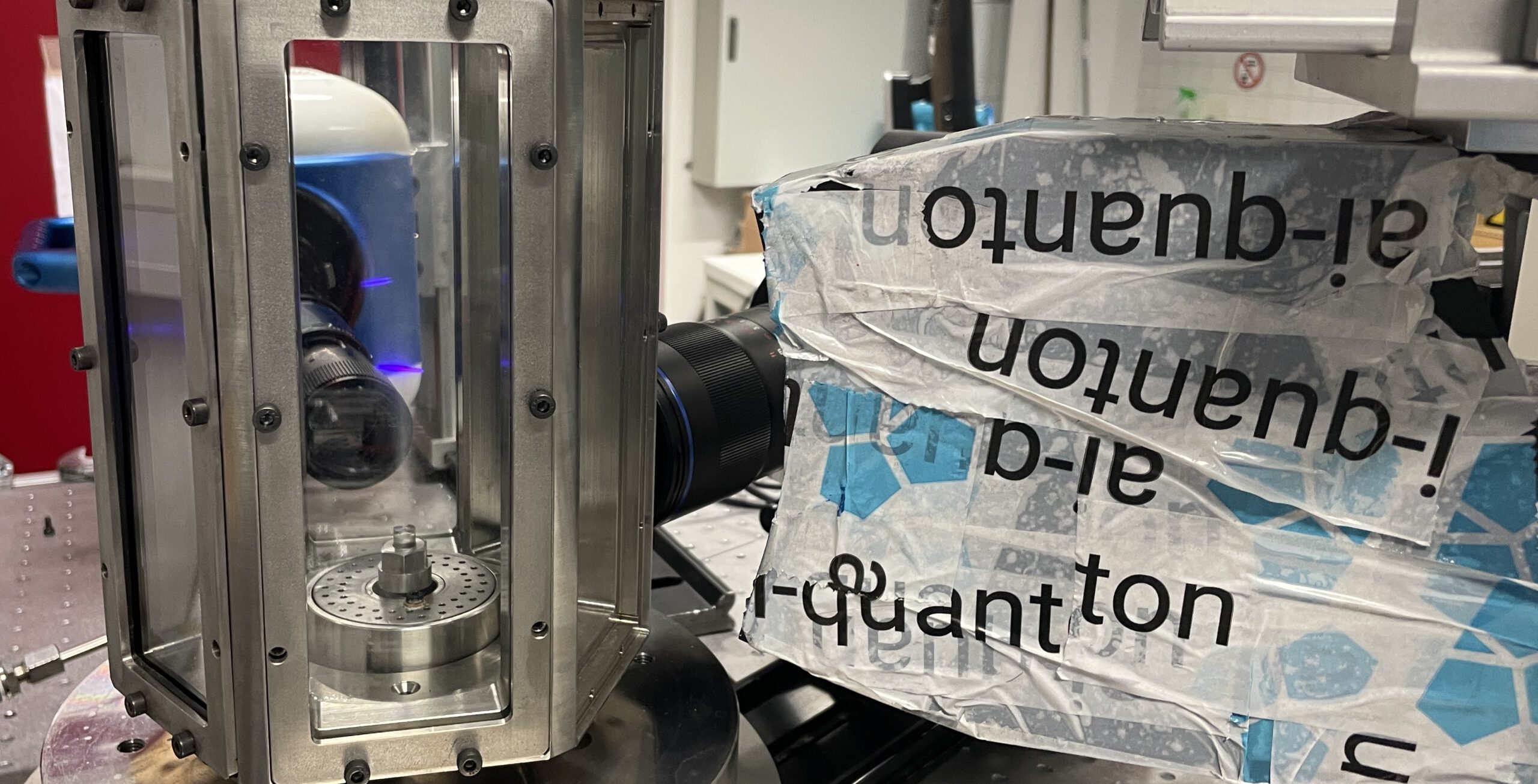
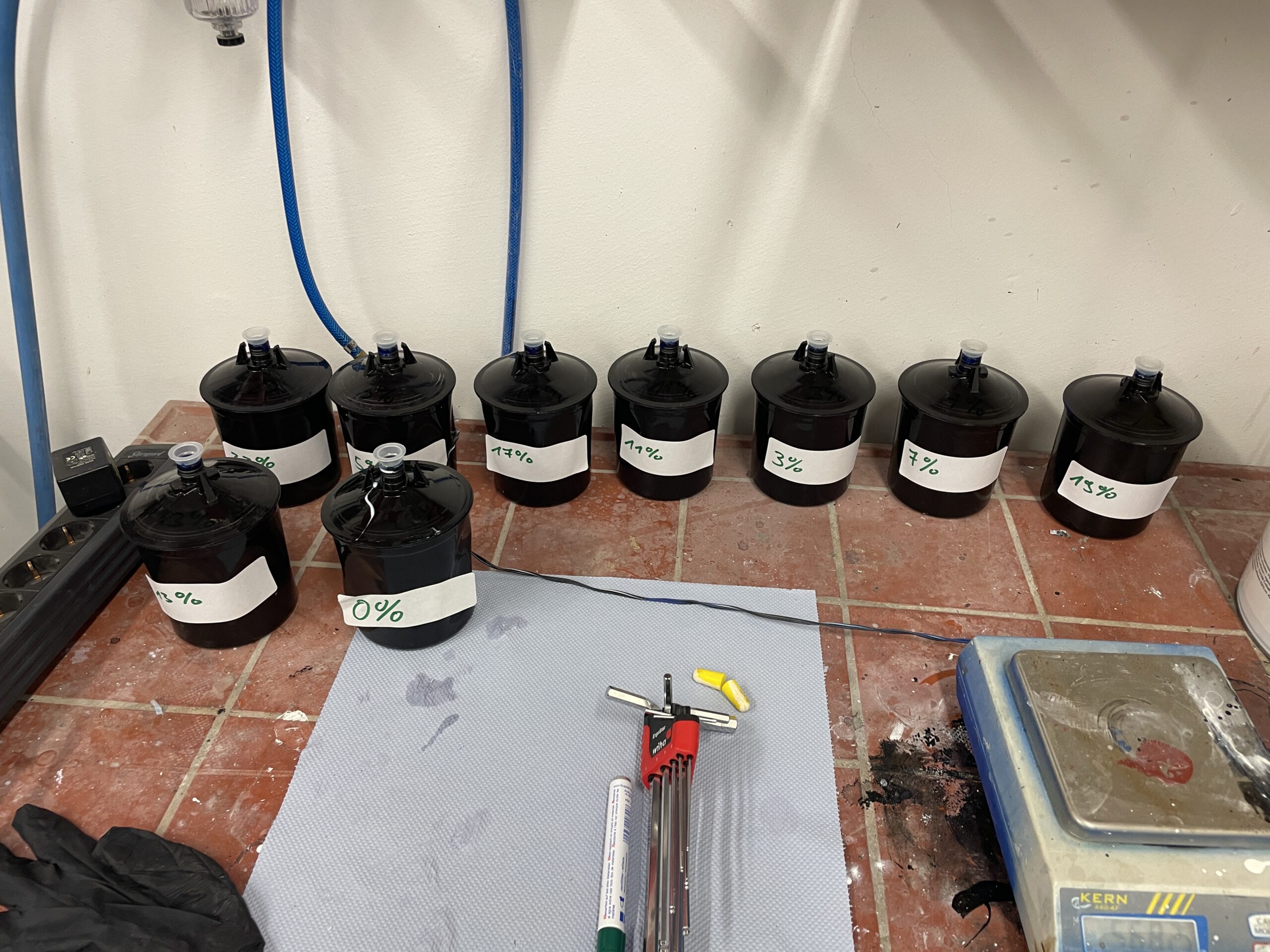
Our R&D activities combine experimental studies, simulation-based investigations, and data-driven modeling. Dedicated test rigs, laboratory experiments, and application-oriented measurement campaigns are used to generate high-quality reference data for model training, validation, and system calibration. Close coupling between hardware, software, and data analysis ensures that research results are directly transferable into robust measurement solutions.
The results of our research are regularly published in peer-reviewed journals, presented at international conferences, and protected through patent applications. Through continuous R&D, we ensure that our measurement technologies remain scientifically sound, technologically advanced, and ready for deployment in both research and industrial process monitoring applications.