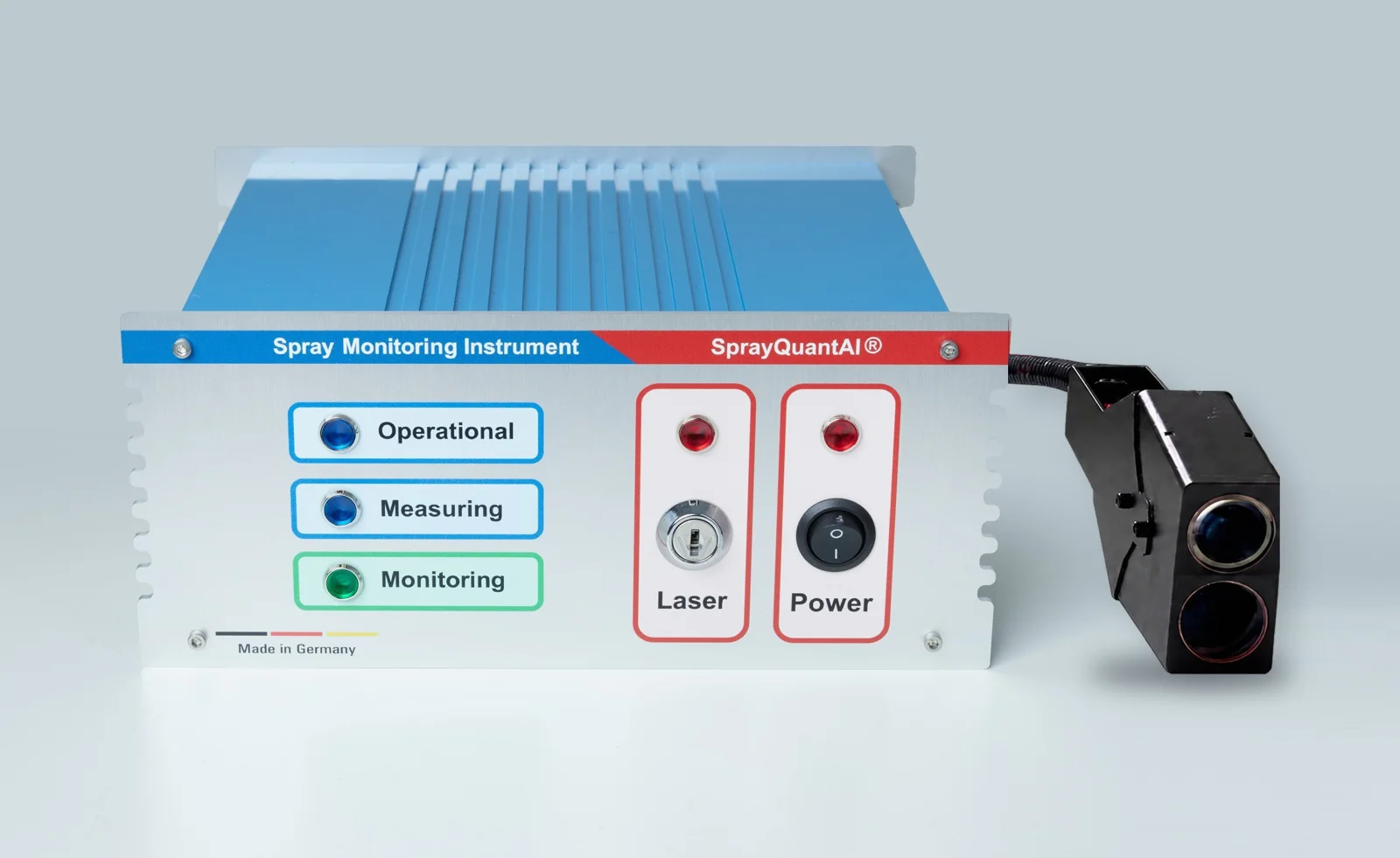
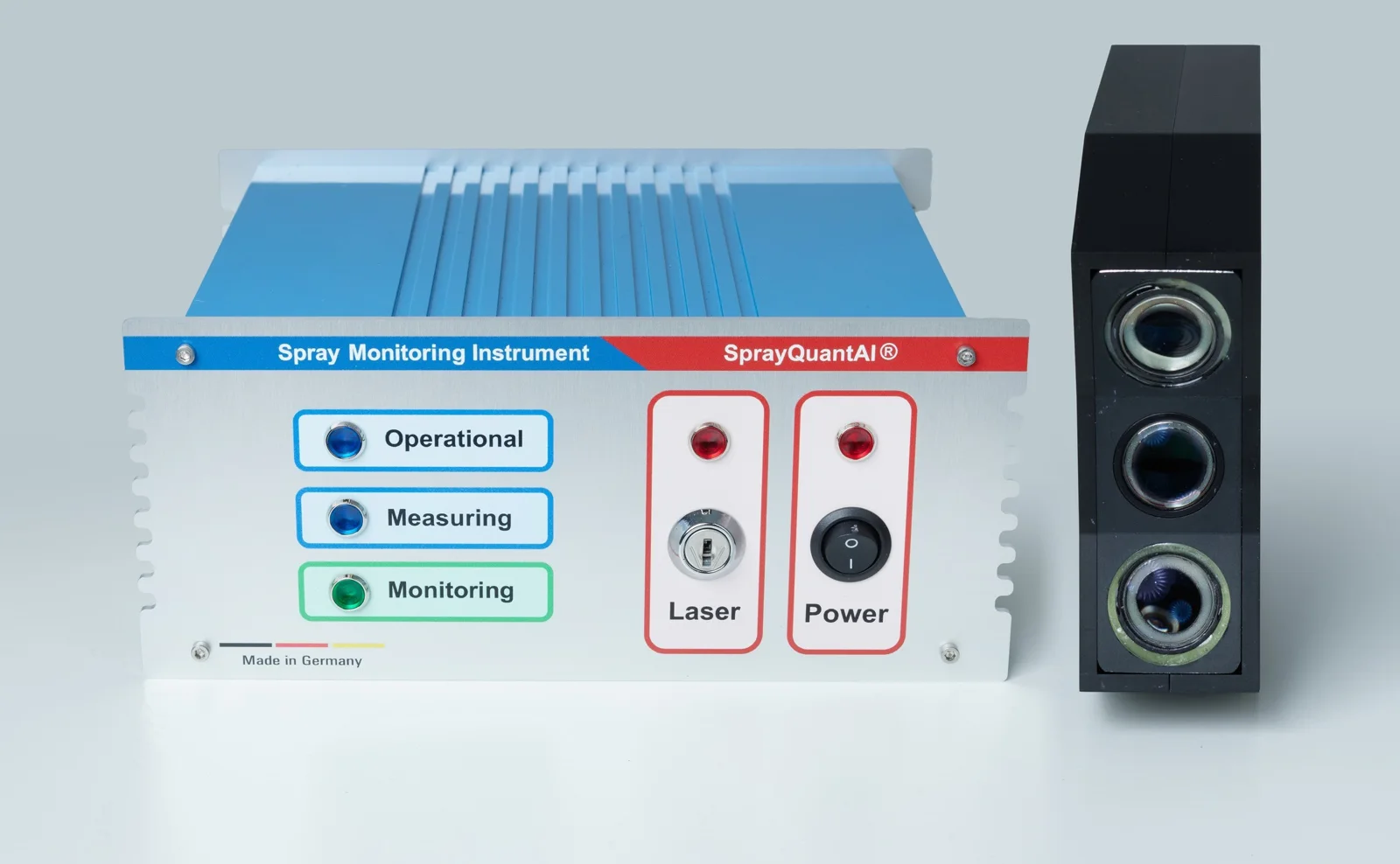
SprayQuantAI® characterizes individual droplets in sprays and flows. Depending on the configuration, it measures droplet size, velocity and number using classical or AI-based calculation.
Explore SprayQuantAI®
SprayQuantAI® · ParticleTensorAI® · SprayConeAI®
ai-quanton develops optical measurement systems for characterizing droplets, particles and sprays. Our platforms combine optical measurement technology with AI-based analysis for research and process monitoring in automotive applications.
Made in GermanyInvented, developed and built in Germany
Our technolgy is protected by four patent applications and three registered trademarks.
















01 — Products

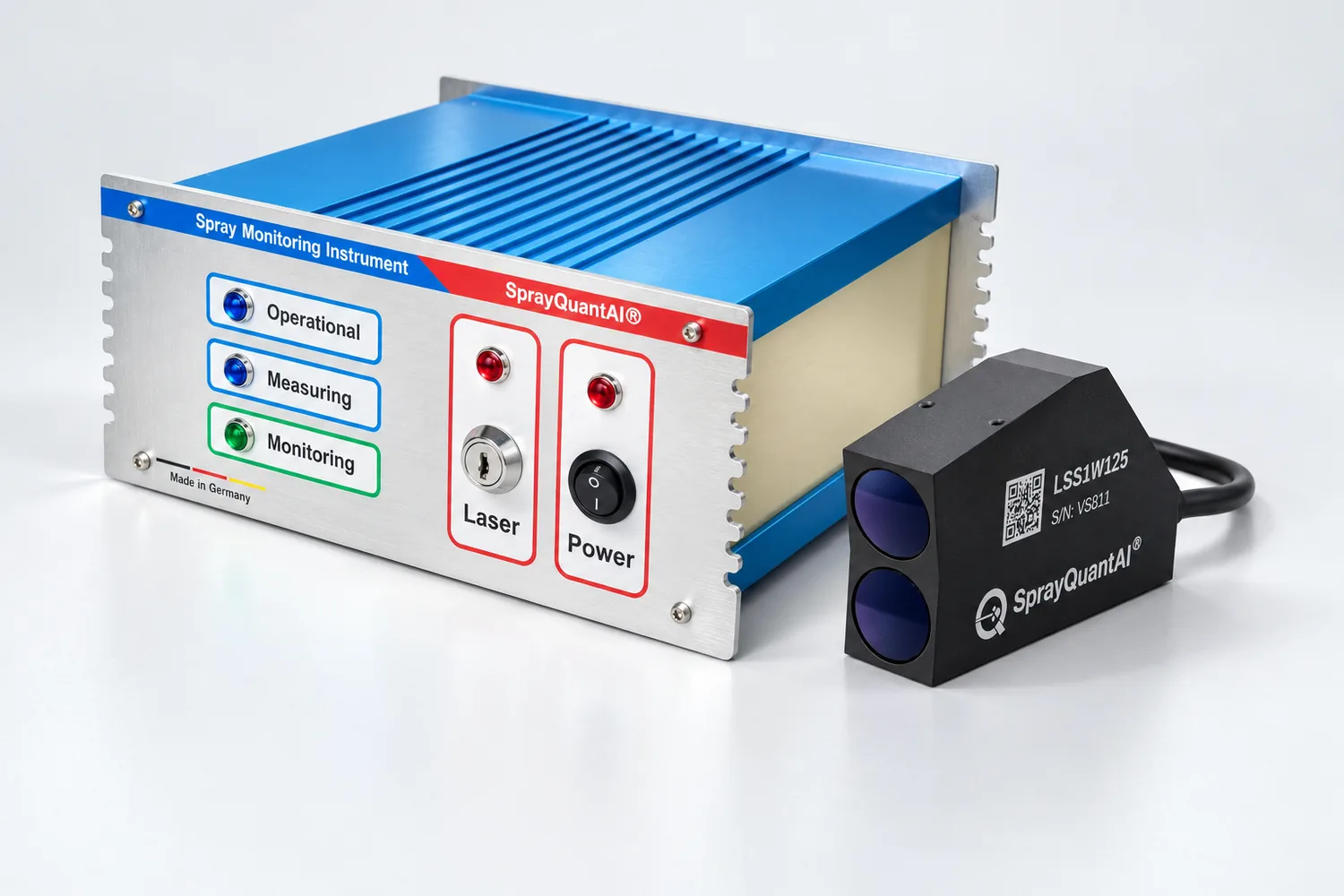
SprayQuantAI® characterizes individual droplets in sprays and flows. Depending on the configuration, it measures droplet size, velocity and number using classical or AI-based calculation.
Explore SprayQuantAI®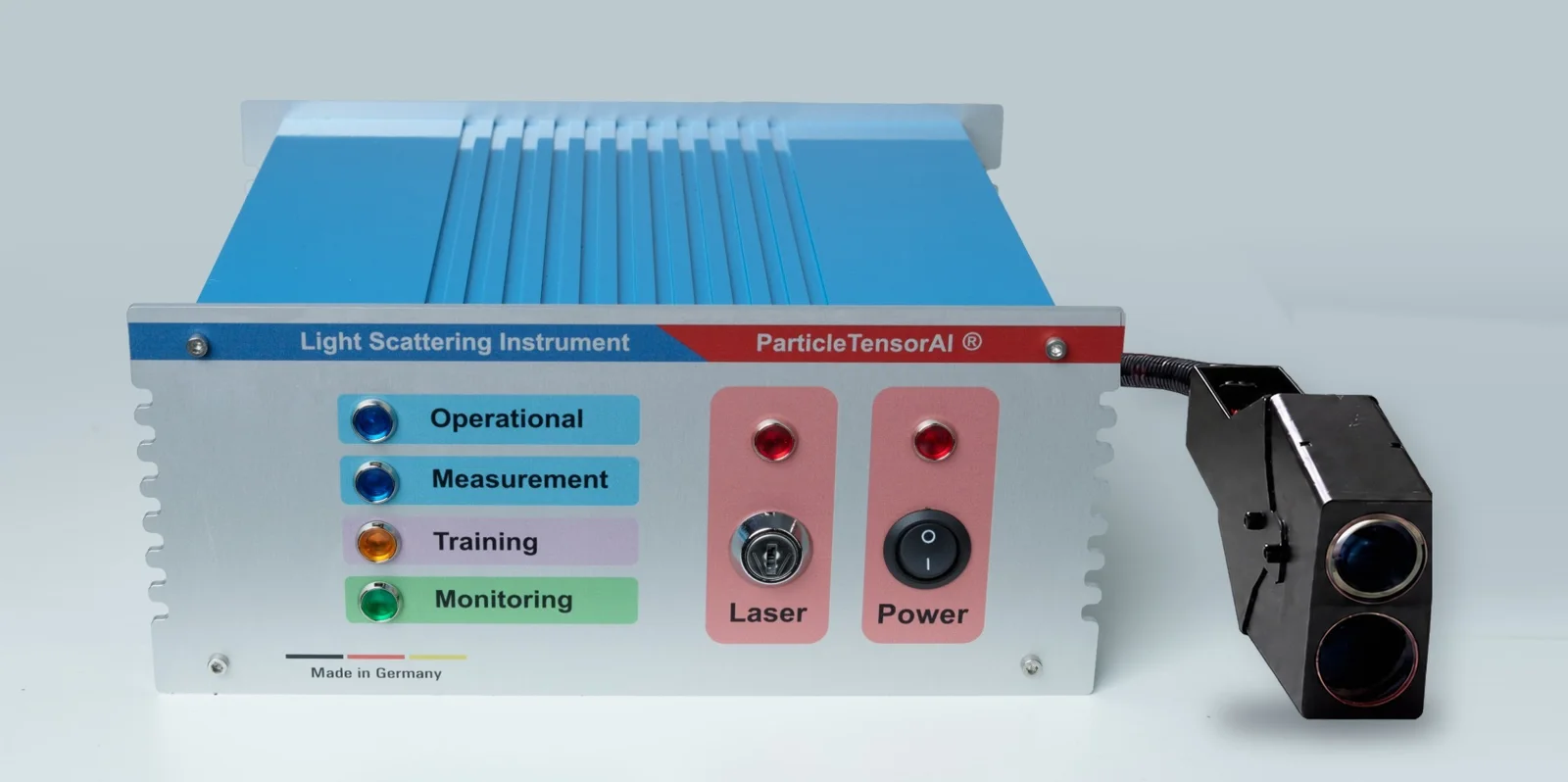

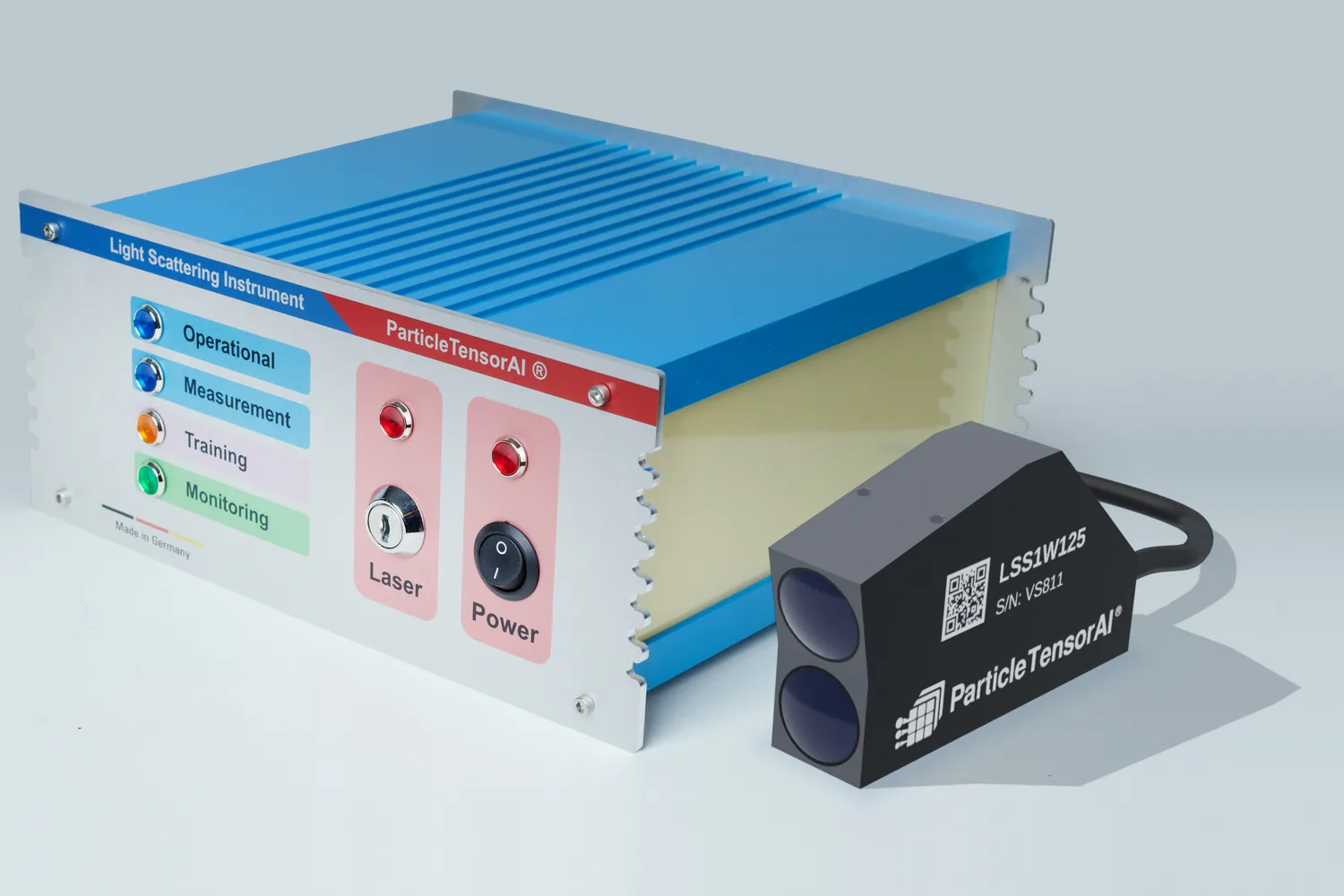
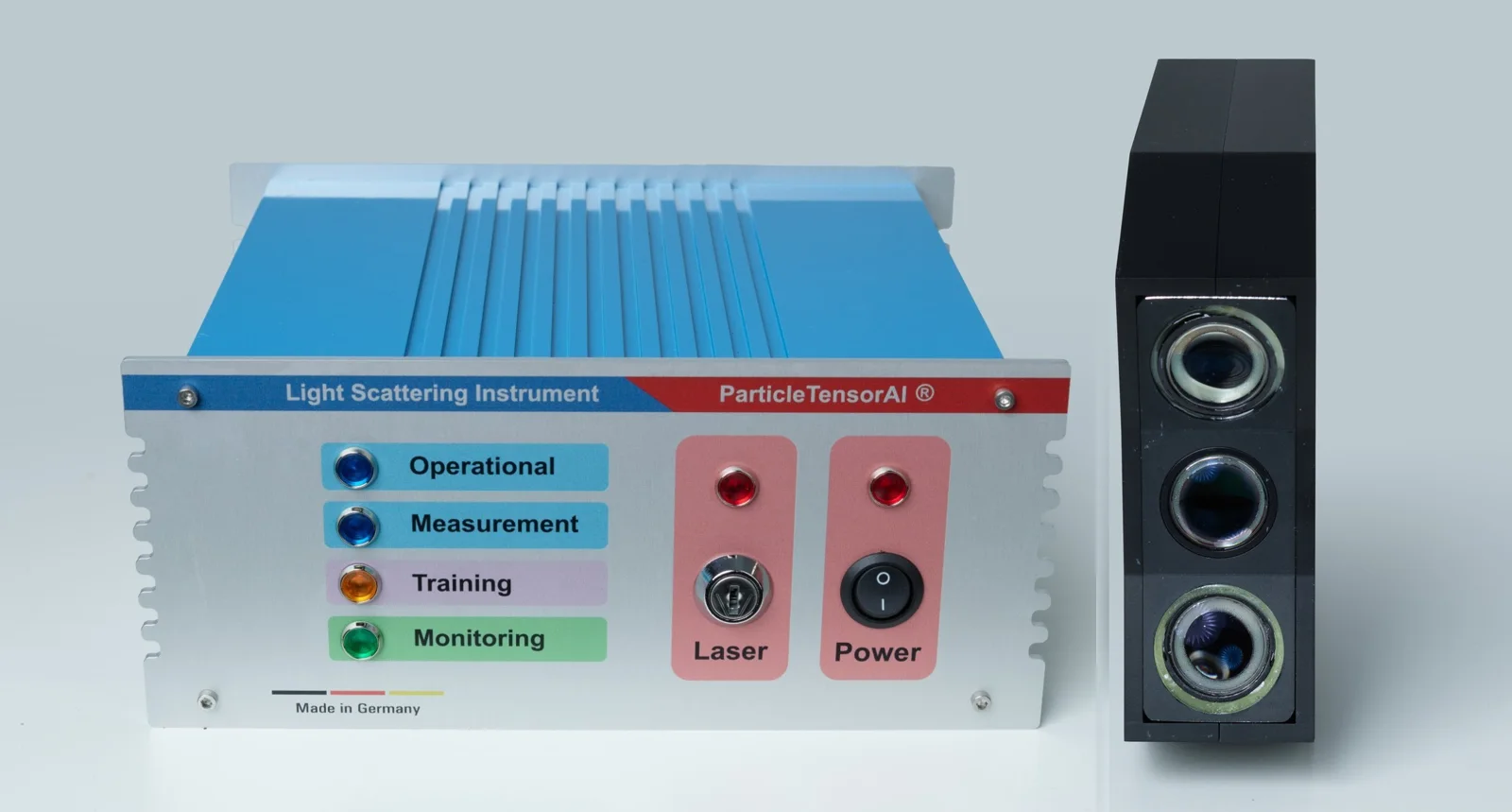
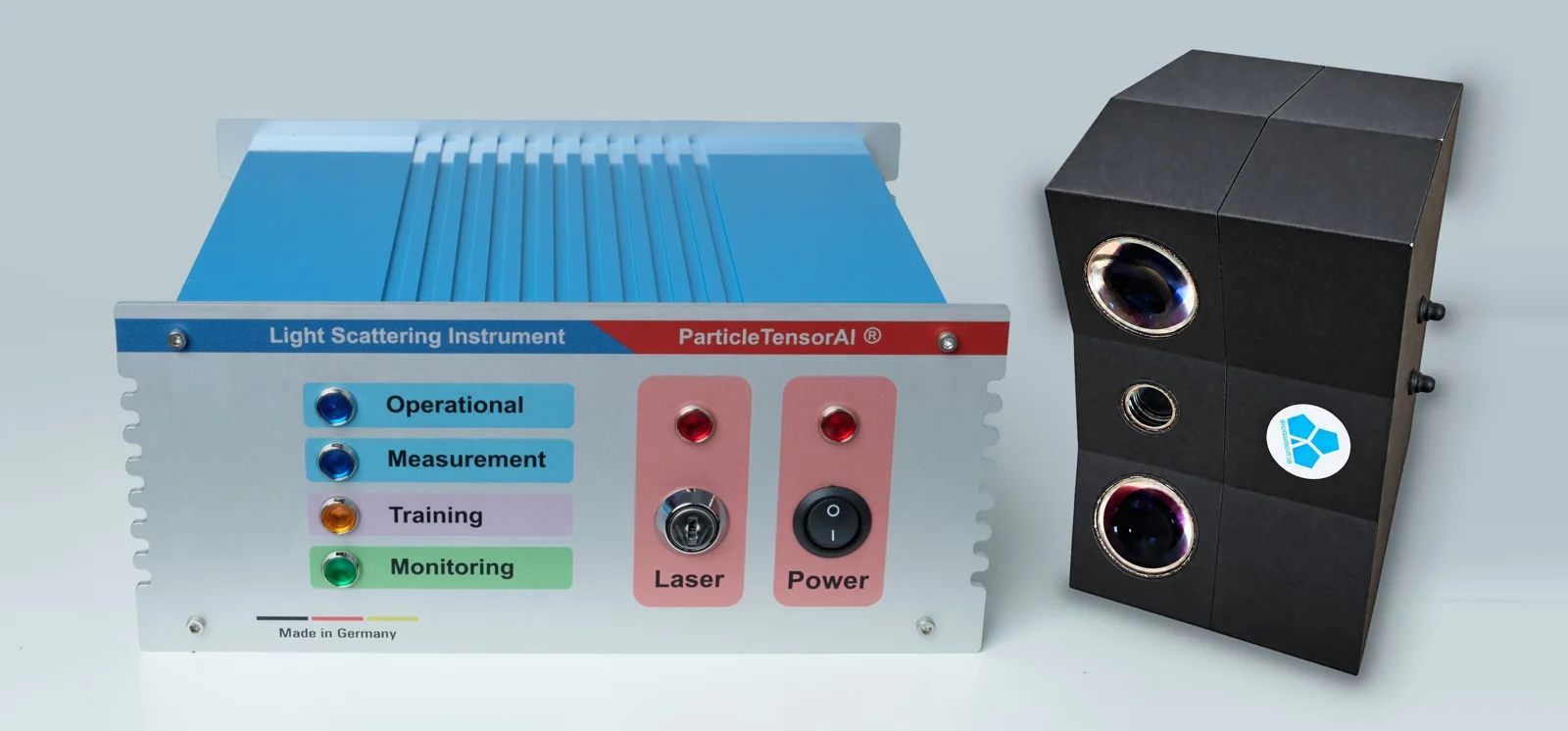
ParticleTensorAI® analyses time-resolved light-scattering signal sequences as multidimensional data. AI models evaluate patterns in these data for spray or droplets characterization.
Explore ParticleTensorAI®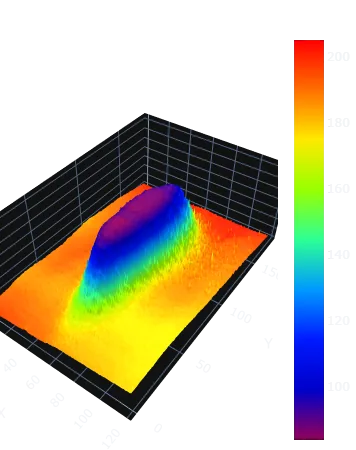

SprayConeAI® is a web-based tool for analysing spray cones and spray patterns from images captured with a smartphone, tablet or computer.
Explore SprayConeAI®02 — System Configurations
The table compares the hardware, evaluation methods and available signal information of all five configurations. Additional detector channels extend the information available for analysis; they do not by themselves define the final measurement outputs.
Screen recordings of the SprayQuantAI® and ParticleTensorAI® software: live monitoring, spray analysis and particle tensors.
03 — Measurement Principles
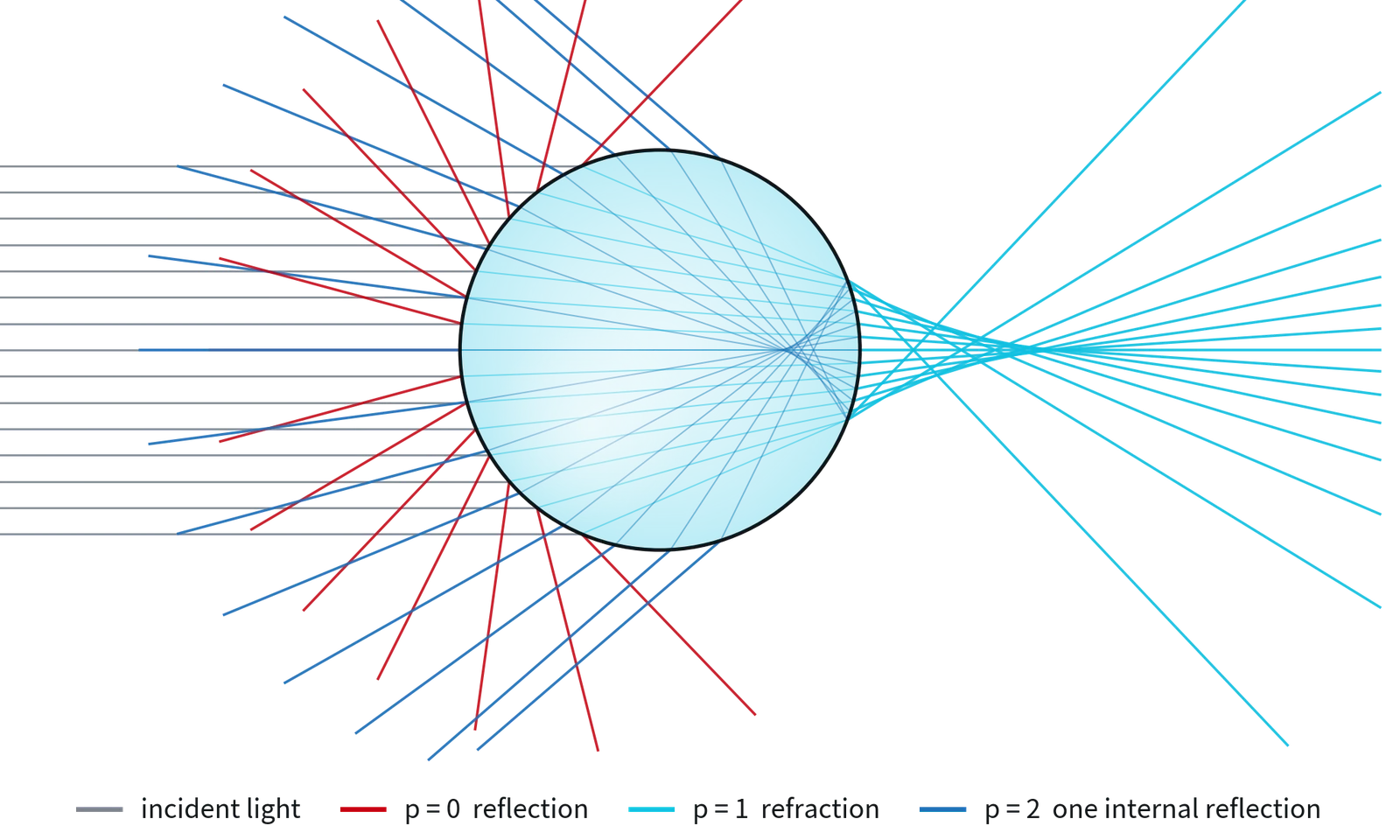
Our technology is based on incoherent light scattering from individual droplets or particles. Optical instruments record the resulting light-scattering signatures, including their temporal structure. AI-based analysis uses this information to determine properties such as droplet size, velocity, composition and concentration, depending on the measurement configuration and model.
| Platform | Input data | Output data |
|---|---|---|
| SprayQuantAI® | Time-resolved signals from individual droplets | Droplet size, velocity and number |
| ParticleTensorAI® | Buffered light-scattering signal sequences of droplets | Tensor light scattering for labeling |
| SprayConeAI® | Images of sprays and spray patterns | Spray cone parameter |

04 — Spray Analysis · Spray Monitoring
Our products address two main tasks: AI-based spray analysis and AI-based spray monitoring.
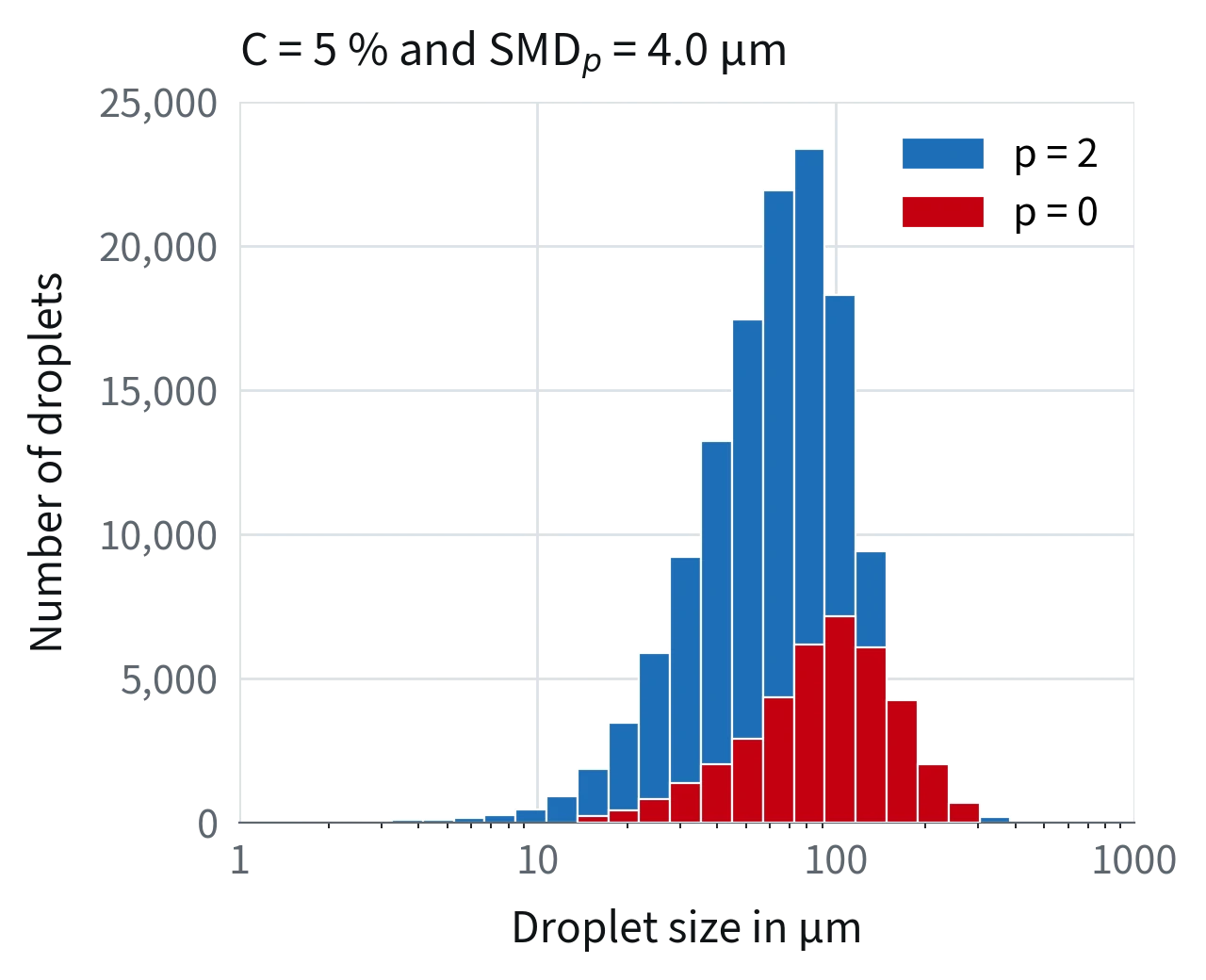
In spray analysis, the focus is on determining droplet properties and their distributions to understand and characterize the spray.
In spray monitoring, the user teaches the system a reference spray condition. During operation, the AI compares the measured signals with this reference to detect deviations and help maintain stable process conditions.
05 — Research & Resources
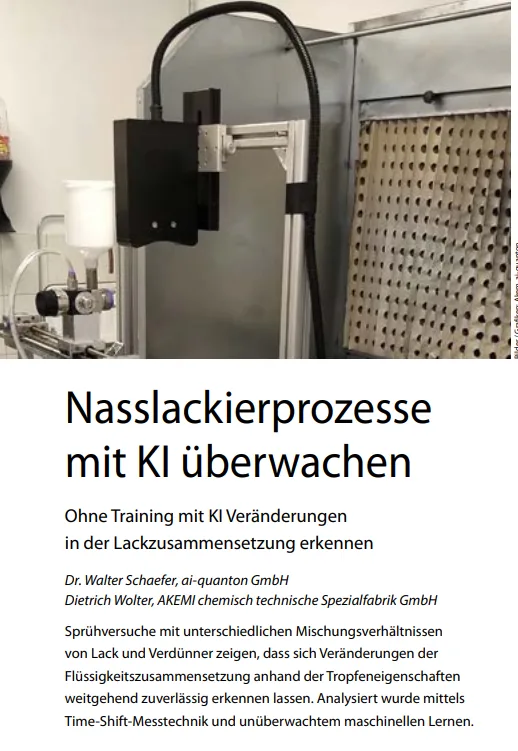
Detecting Changes in Paint Composition Directly in the Spray We recently published a new application of artificial intelligence for paint spray …
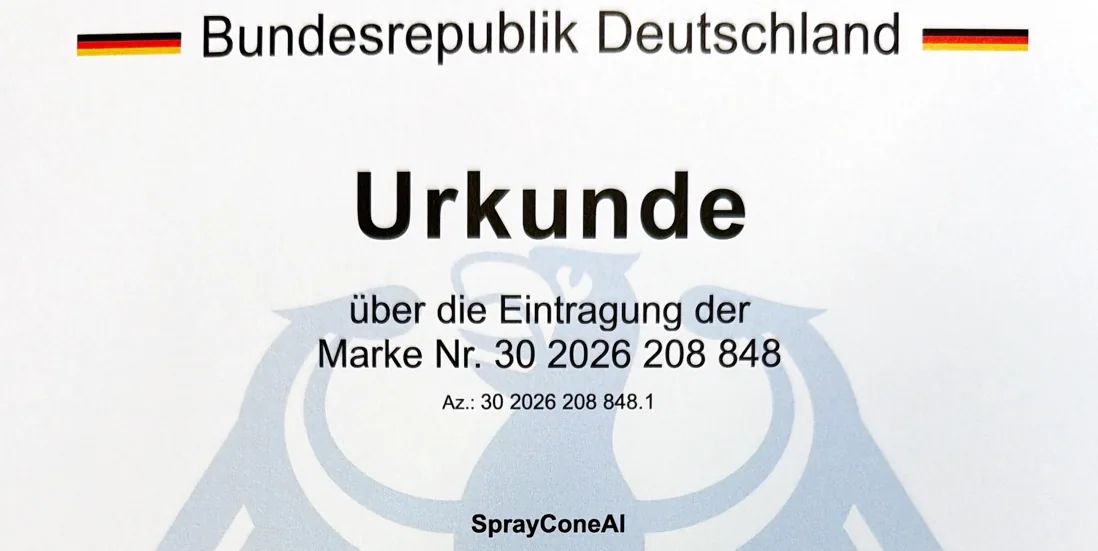
SprayConeAI® is now officially registered as a trademark in Germany. I recently received the registration certificate from the German Patent and …
At Bits & Pretzels, taking place from 28–30 September 2026 in Munich, Germany, we will present our latest developments in AI-assisted spray analysis …
Our new paper, “AI-assisted monitoring of coal particles within droplets in a coal monoethylene glycol slurry spray,” is now available on KITopen …
Tell us which droplets, particles or process changes you want to characterize. We can help define the detector configuration, optical setup and evaluation method for your application.