

This scientific article presents a machine learning approach for particle characterization in a flow. The method analyzes light scattering signals from the TSTOF measurement technique. This technique is also known from the SpraySpy measurement system.
The work shows how a machine learning model can predict particle size and particle velocity from only one light scattering signal. In the classical TSTOF setup, the system normally uses four optical signals. Therefore, this study marks an important step toward a smaller, simpler, and more cost-effective optical measurement instrument.
Machine Learning for Particle Characterization
Particle characterization plays an important role in sprays, flows, and industrial processes. It helps measure particle size, particle velocity, and process stability. However, classical optical systems often need several detectors, light sources, and synchronized signal channels.
In this study, the authors trained a machine learning model with data from a classical TSTOF system. The original system uses two focused Gaussian laser beams and four detectors. After training, the model analyzes only one signal as input.
As a result, the model predicts particle size and particle velocity from a single light scattering signal.
From Four Signals to One Signal
The key idea of this work is hardware reduction. A classical TSTOF measurement device records four time-resolved light scattering signals. These signals help calculate particle size and particle velocity.
However, this paper shows that one signal can contain enough information for particle characterization when machine learning supports the analysis. Therefore, future systems may remove one light source, three detectors, and related optical and electronic components.
This can reduce cost, size, weight, and system complexity. In addition, a single-channel acquisition system can work without synchronization between several channels.
Experimental Setup with SpraySpy
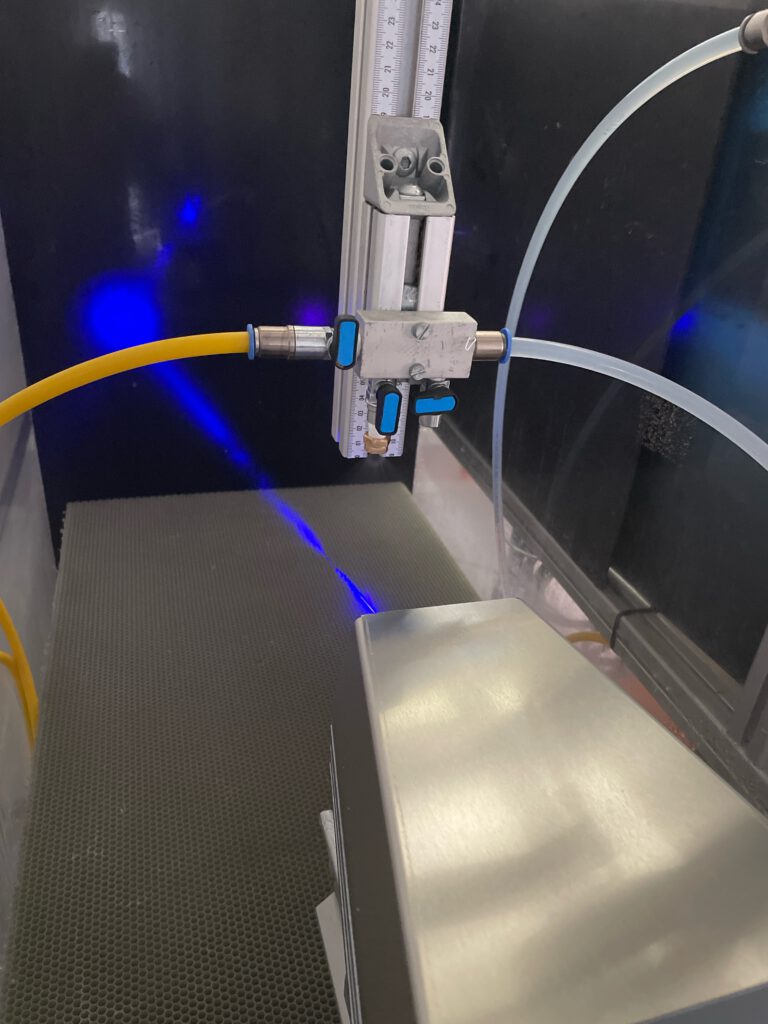
The experiments used a modified SpraySpy measurement device based on the TSTOF technique. The system recorded direct voltage signals from the photodetectors.
A flat fan nozzle generated a fine and stable spray inside a closed-loop spray chamber. The authors changed pump rate, pressure, and measurement distance to create a broad range of particle sizes and velocities.
In addition, the signal acquisition system used an in-house measurement card with an FPGA and a 12-bit ADC. Each light scattering signal contained 1000 samples and had linked values for particle size and particle velocity.
Model Validation
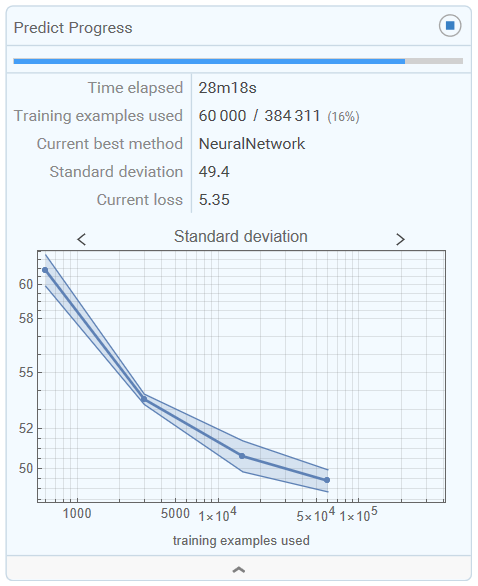
The authors trained the machine learning models with a large dataset of individual light scattering signals. Then, they tested the models with an independent measurement dataset and additional randomly selected signals.
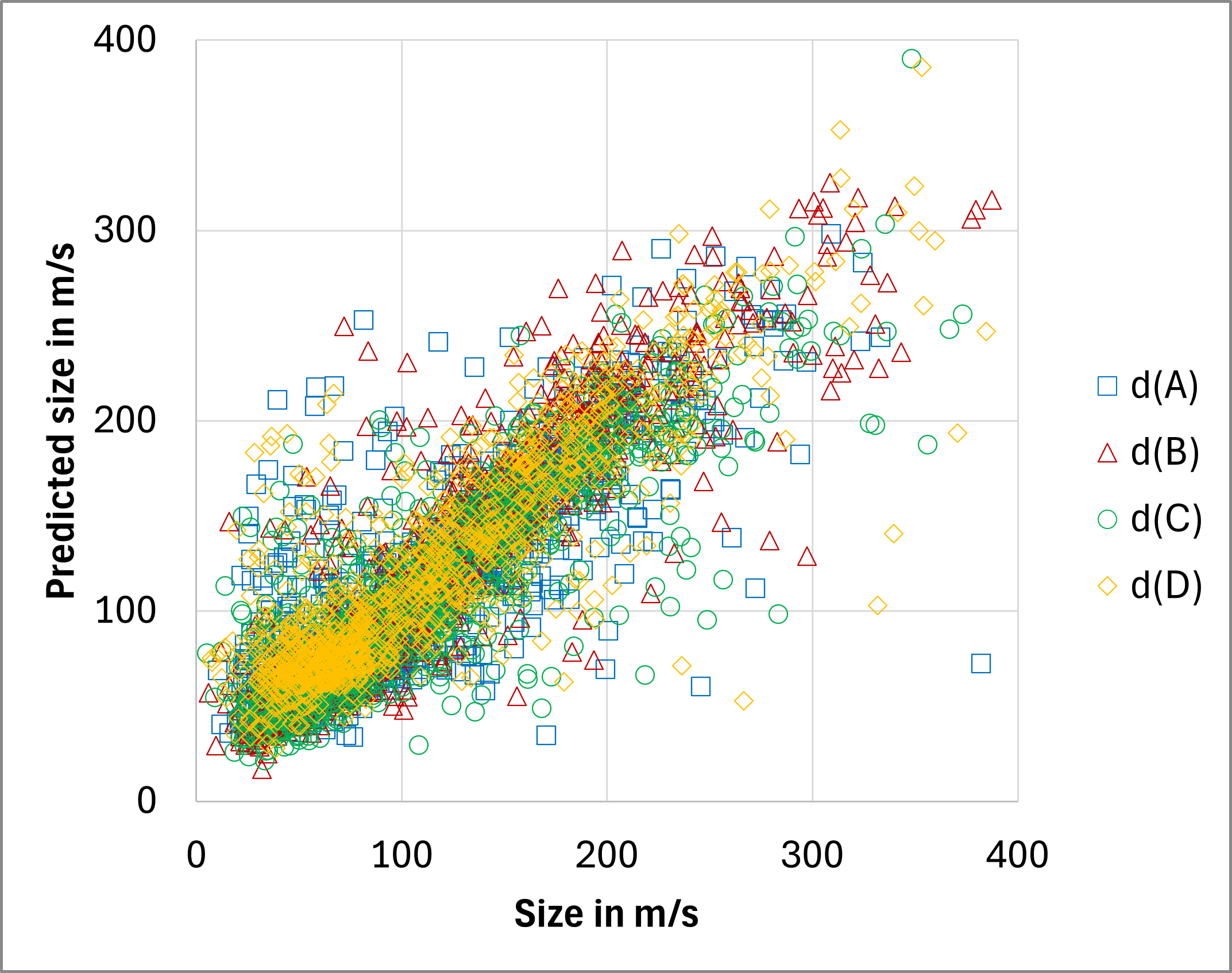
The predicted values showed good agreement with the values from the classical four-signal TSTOF evaluation. Therefore, the results confirm the potential of the method for compact optical particle characterization.
The results also show that the method can work with different detector channels. For each detector, the authors created separate models to predict particle size and particle velocity.
Relevance for SprayQuantAI
This work provides an important scientific basis for SprayQuantAI. It shows how AI can reduce the hardware complexity of TSTOF-based spray and particle measurement systems.
SprayQuantAI builds on the idea that light scattering signals contain more information than classical signal evaluation can easily extract. With machine learning, a compact optical system can analyze droplets or particles in a spray with fewer components.
Therefore, this publication supports the development of AI-assisted spray diagnostics, compact measurement probes, and real-time process monitoring systems.
Advantages for Optical Measurement Systems
The presented method can support future measurement systems for sprays, particles, droplets, and flows. It can help reduce hardware costs and simplify integration into industrial environments.
At the same time, the method keeps the main goal of the TSTOF approach. It measures particle size and particle velocity from time-resolved light scattering signals.
Possible applications include spray measurement, coating processes, particle diagnostics, atomizer characterization, process monitoring, and quality control.
Scientific Outlook
The article also discusses the limits of machine learning. The calculation path is not always directly visible. In addition, industrial applications may require calibration.
However, the results show strong potential for further research. Future work can improve the machine learning models, compare different network structures, and test the approach with broader particle size and velocity distributions.
This can support more robust AI-based measurement instruments for industrial and scientific applications.
Reference
Schaefer, W., & Li, L. (2024). Particle characterization by analyzing light scattering signals with a machine learning approach. Applied Optics, 63(28), 7701–7707. https://doi.org/10.1364/AO.531346l detectors, light sources, and synchronized signal channels.
